From kiosk to healthcare infrastructure platform
Dero(a)d™
Different healthcare systems, similar infrastructure challenge: bringing reliable care closer to the patient.
Deroad Technology
2 min read
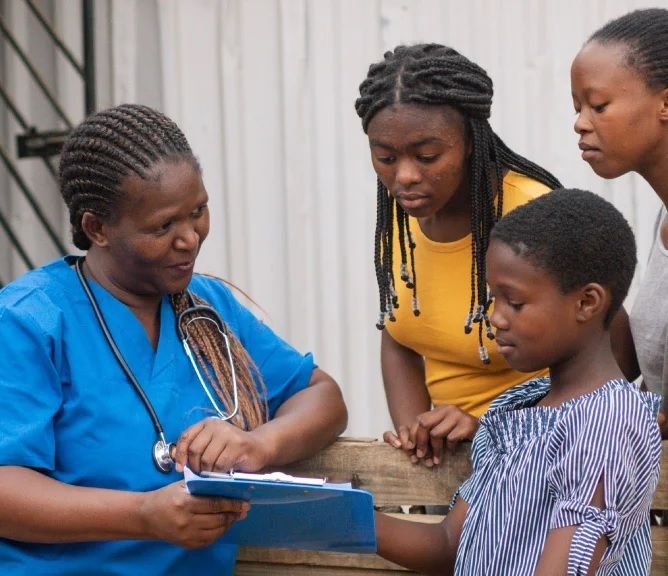
Healthcare in the United States and healthcare across Africa are often discussed as entirely separate worlds. The systems, financing, regulations, and needs are very different. But look closely at the challenge of reaching people where they live, and a common thread appears.
In both settings, the central question is the same: how do we bring reliable healthcare capability closer to the patient? The answers will differ in their details, but the underlying problem of distance, fragmentation, and access is shared.
In the United States, many communities face long travel times, limited transportation, and gaps in diagnostic access, especially in rural and underserved areas. A connected network might link a community access point with FQHCs, telehealth, laboratories, pharmacies, and health systems.
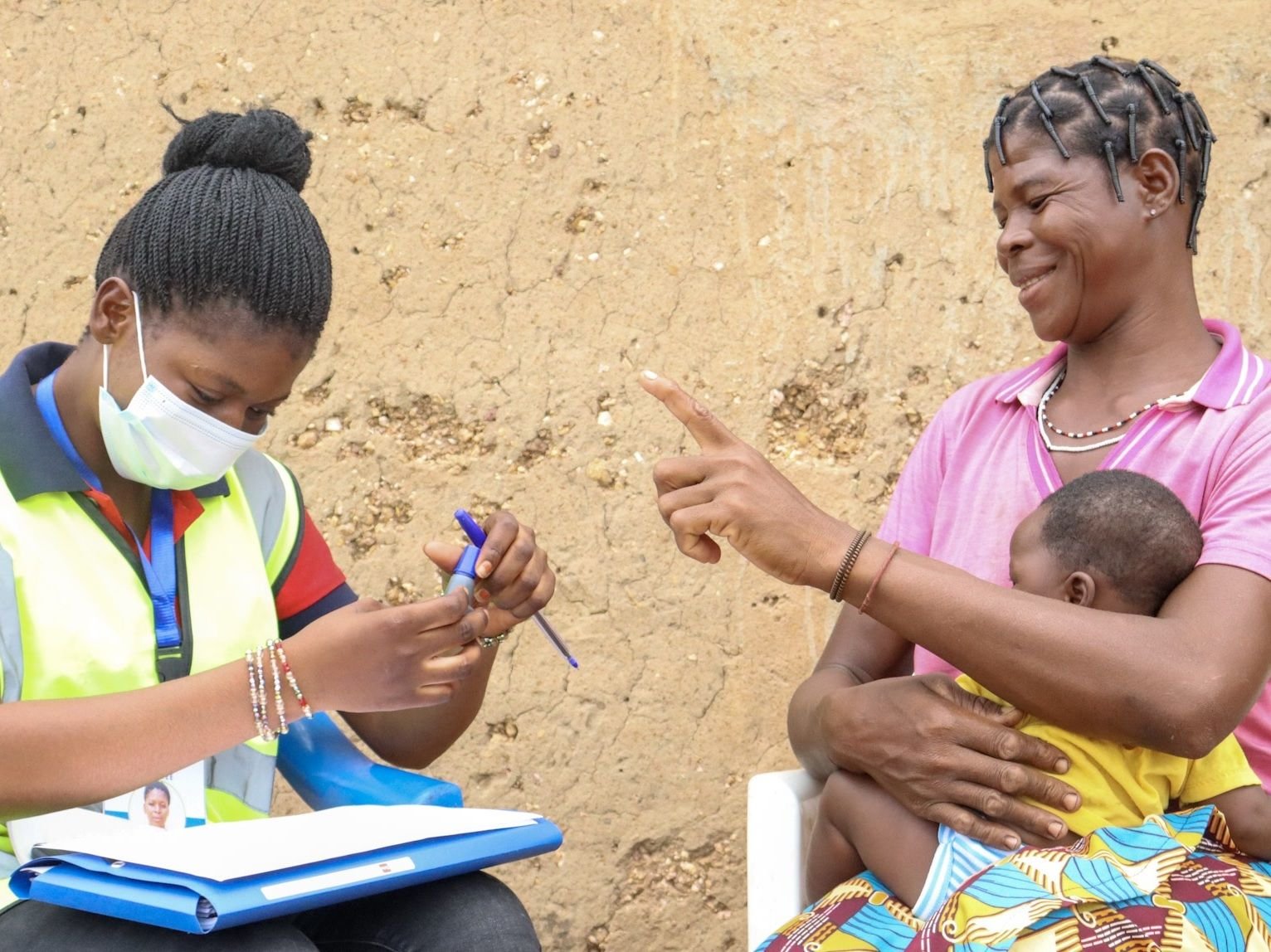
Across Africa, distance and infrastructure can make reaching clinics, laboratories, and hospitals difficult for many people. A connected network might link a community access point with telemedicine, diagnostics, laboratories, pharmacy, and referral hospitals.
Bring healthcare capability closer to the person, not simply the person closer to healthcare.
A model that works in one place cannot simply be copied to another. Power and connectivity, regulation, financing, workforce, supply chains, and the way people pay for care all vary. Successful networks are designed with local partners, built around local systems, and led by people who understand the context.
Working across very different environments can sharpen ideas on both sides. Approaches designed for settings with limited infrastructure can be simple, resilient, and efficient. Approaches designed for highly regulated settings can be rigorous about safety, privacy, and quality. Bringing those strengths together leads to better design everywhere.
From its base in Atlanta, Georgia, Deroad Technology works with an eye on both contexts. We believe the future of connected healthcare will be shaped by solutions that respect local realities while sharing a common goal: making reliable care easier to reach for the people who need it most.
Whether you lead a health system, an FQHC, a public health program, or a technology company, we’d like to hear what you’re working on.