From kiosk to healthcare infrastructure platform
Dero(a)d™
How community health centers might extend their reach through connected access points, telehealth, and diagnostics.
Deroad Technology
3 min read

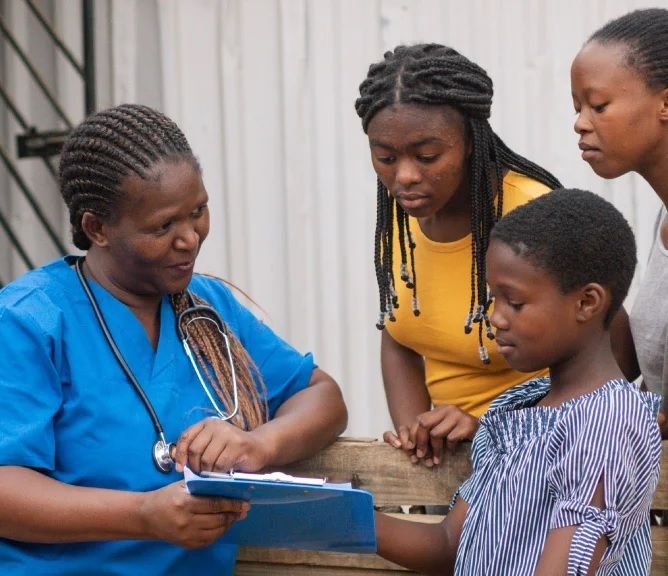
Federally Qualified Health Centers are a cornerstone of care for underserved communities in the United States. They serve people regardless of their ability to pay, and they understand their communities in ways few other organizations do. As expectations and pressures grow, it is worth asking how FQHCs might extend their reach over the next decade.
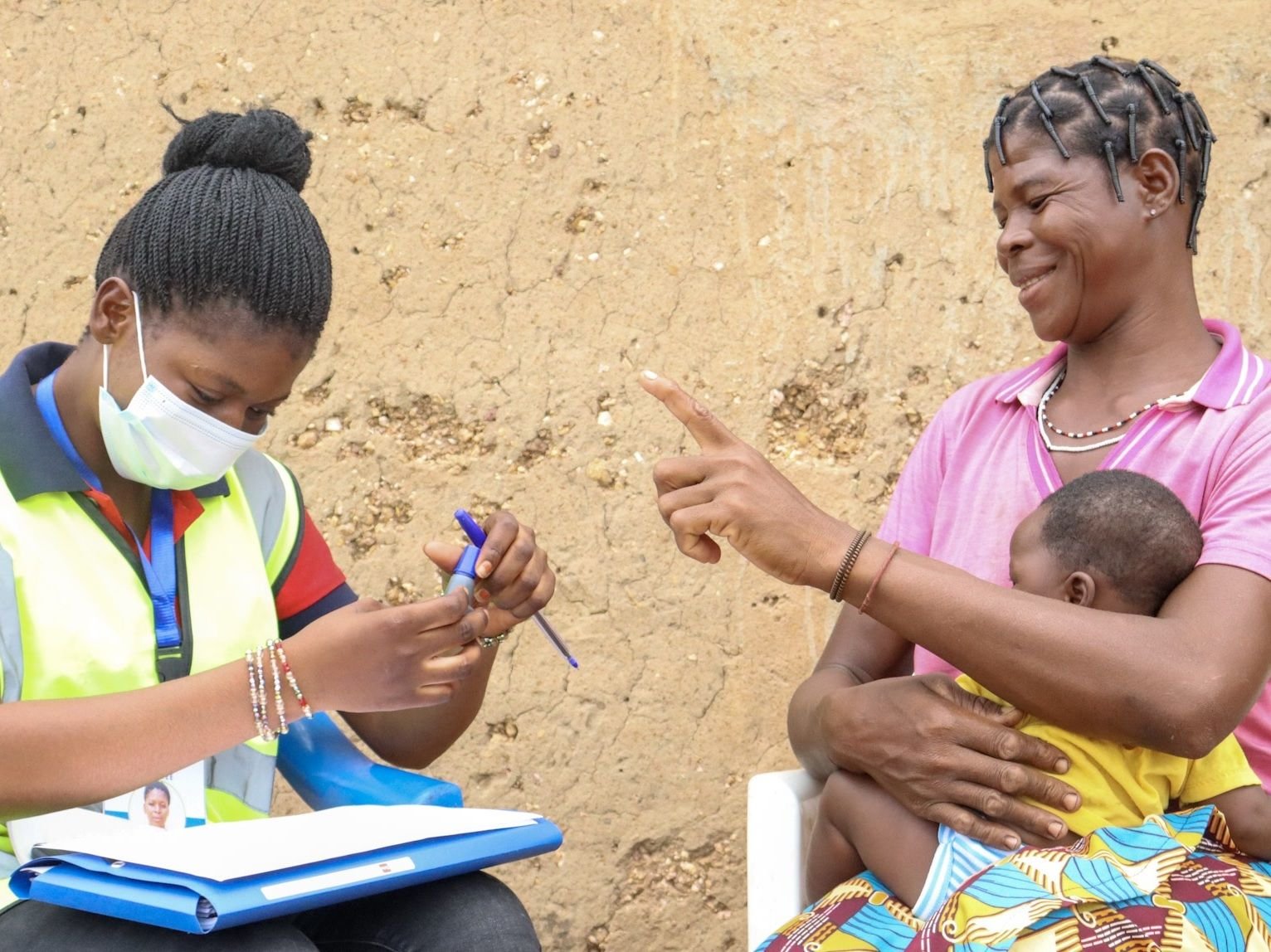
FQHC leaders describe a familiar set of challenges: workforce constraints, rising demand, patients who face transportation and scheduling barriers, and the ongoing work of managing chronic conditions in the community. Many patients struggle to make multiple trips for visits, tests, and medications. Every missed step makes care harder to complete.
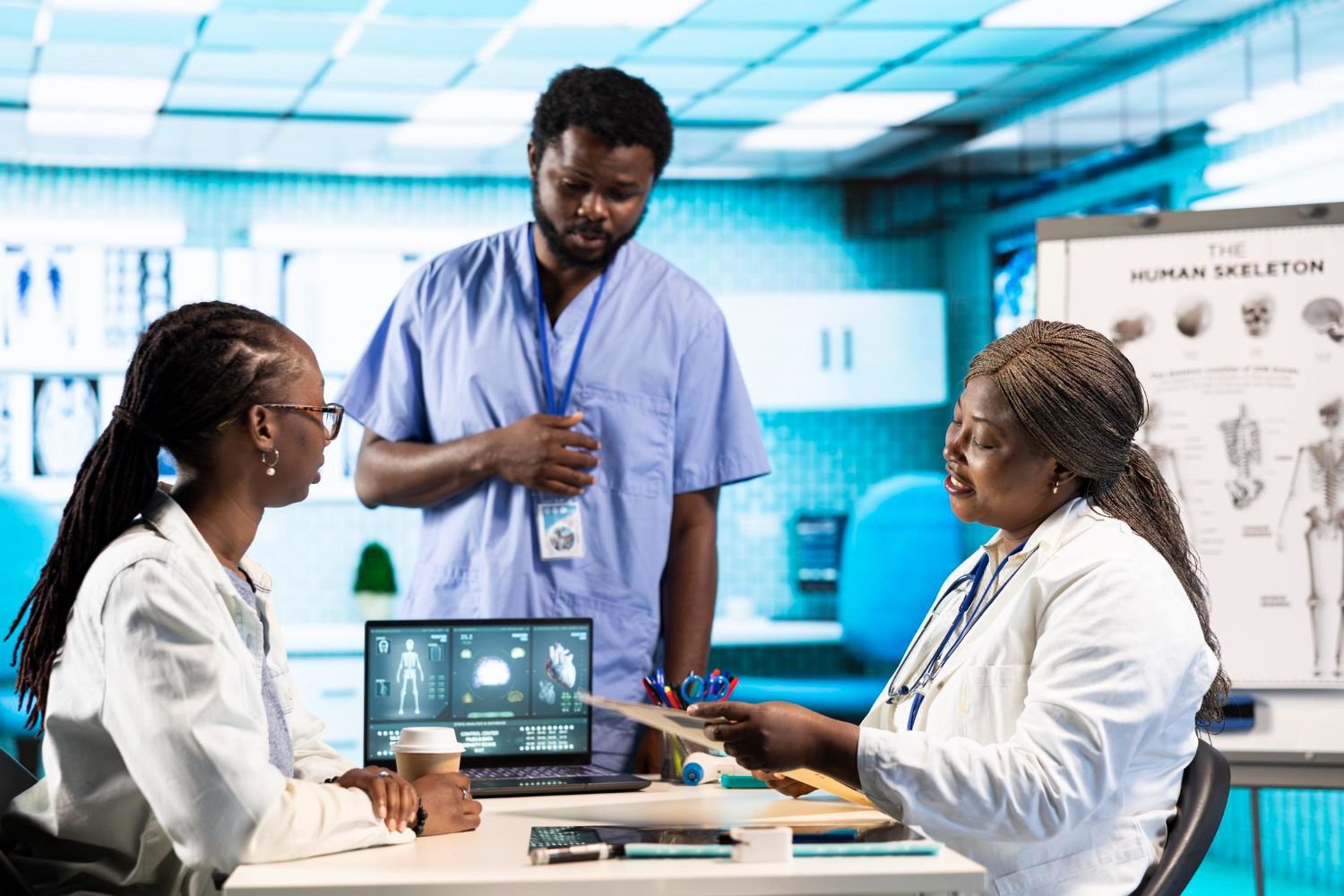
One way forward is to think of the health center not only as a building, but as the hub of a wider network. Connected community access points could act as extensions of the FQHC, placed closer to where patients live, and linked back to its clinical teams.
In that model, a patient might start a visit at a nearby access point, connect with an FQHC clinician by telehealth, complete selected measurements or specimen collection on site, and receive help with medication access and next steps, all without traveling to the main center.
The health center becomes the hub. The network brings its care closer to the community.
A model like this depends on more than technology. It requires strong partnerships with laboratories and pharmacies, workflows that keep care safe and consistent across sites, secure data sharing, and community trust. It also depends on policy and payment arrangements that support care delivered through connected access points. Each organization will need to work through these questions in its own context.
We are interested in exploring these questions with FQHCs and their partners. The next decade of community health will be shaped by organizations willing to rethink where, and how, care can be delivered.
Whether you lead a health system, an FQHC, a public health program, or a technology company, we’d like to hear what you’re working on.