From kiosk to healthcare infrastructure platform
Dero(a)d™
What changes when care is designed around the person rather than around disconnected systems.
Deroad Technology
3 min read

Most people experience healthcare as a series of separate systems: a scheduling line, a waiting room, a lab, a pharmacy, a billing office, and a portal. Each one may work well on its own. Together, they can leave the person in the middle doing most of the coordination.
Ask people about a recent episode of care and familiar frustrations come up. They repeat the same information several times. They make multiple trips for things that could have happened together. They leave unsure what happens next, or who to call if something changes. None of this is a single failure. It is what happens when care is designed around systems rather than people.
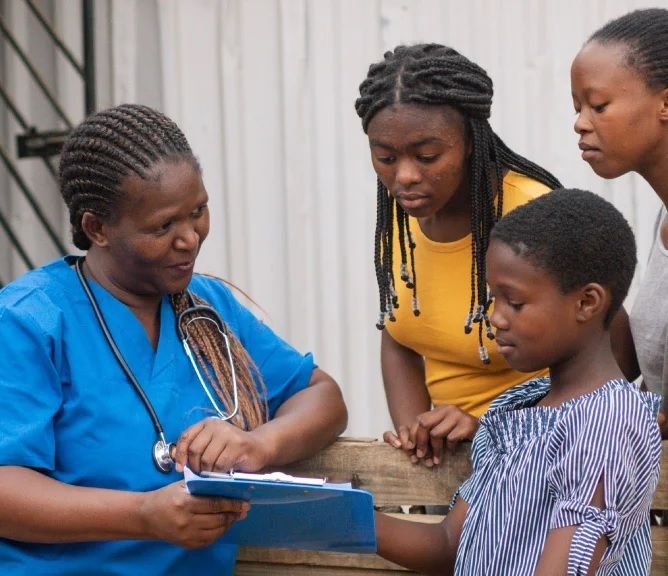
Designing around the patient starts with listening. That means spending time with patients, caregivers, community health workers, clinicians, and the operators who keep services running. It means mapping the real journey, including the parts that happen outside any one organization, and finding where people get stuck.
It also means testing ideas early with the people who will use them, and changing course when something does not work for them.
Design healthcare around the person, not around disconnected systems.
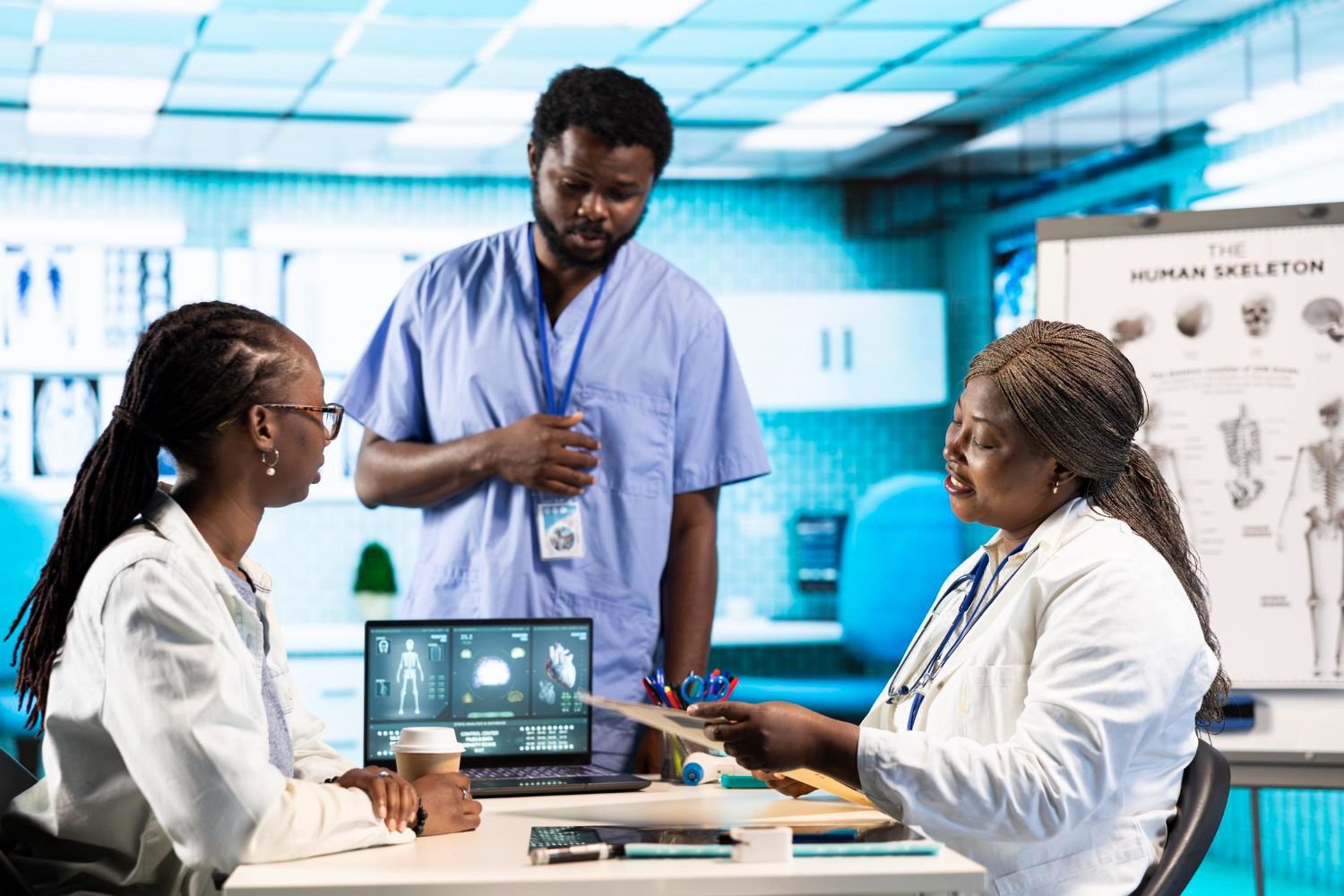
Patient experience is shaped by spaces as much as screens. A digital check-in is only helpful if the physical space is easy to find and use. A telehealth visit is only reassuring if the room feels private and the equipment works. We design physical environments, digital tools, and workflows together, because patients experience them together.
If patient experience matters, it needs to be measured. That includes whether people complete their care, how long it takes, how many trips it requires, and how people feel about it. Those measures, gathered and acted on over time, keep design honest.
Designing healthcare around the patient is not a single project. It is a commitment to keep asking what care feels like from the other side, and to keep improving it.
Whether you lead a health system, an FQHC, a public health program, or a technology company, we’d like to hear what you’re working on.